
Research Papers
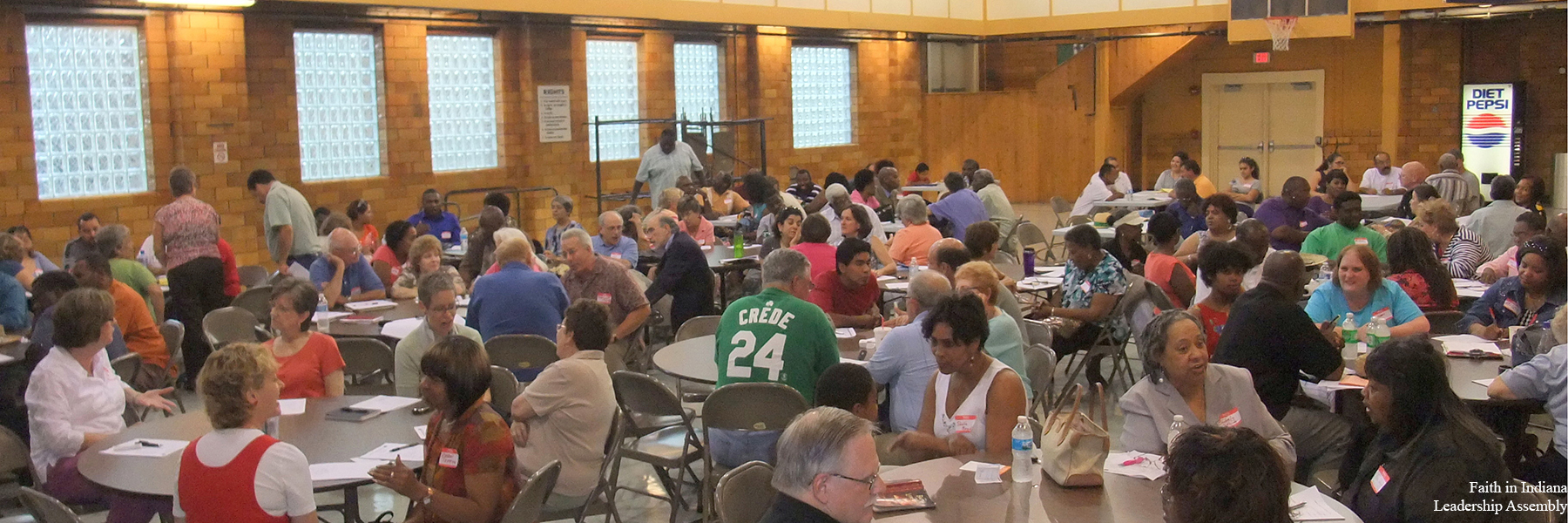
Baggetta, M., Fulton, B., de la Riva Aguero, R., & Richardson, D. (2025). "The Diversity Layer: The Role of Coalitions Among Civil Society Organizations." Nonprofit & Voluntary Sector Quarterly. This article shows that coalitions (civil society organizations whose members are organizations) have more demographic diversity than clubs (organizations whose members are individuals) and non-member organizations due to coalitions' unique strategic efficiencies to members and a membership stickiness that reduces homophilic membership churn, suggesting that coalitions form the diversity layer of civil society and could help bridge societal divides. Baggetta, M., & Fulton, B. R. (2021). “Observing Civic Engagement: Using Systematic Social Observation to Study Civil Society Organization Convenings.”Voluntas. This article describes systematic social observation (SSO), explains how we adapted this method to civil society organizations (CSOs) for collecting data on multiple convenings from several organizations, demonstrates the method’s viability, and illustrates the value of SSO for studying CSOs by presenting distributions of interaction styles and cross-demographic interactions across organizations. | Baggetta, M., Fulton, B. R., & Caplan, Z. (2022). “Space and Interaction in Civil Society Organizations: An Exploratory Study in a US City.”Social Inclusion. This article discusses the introduction and viability of systematic social observation, which assembles comparable, quantitative data from many civil society organization (CSO) convenings (e.g., meetings, events, activities) and highlights two spatial variations—footprint and permeability—in CSO convenings, which suggest that when controlling for participant numbers and other characteristics, medium-sized spaces foster more interaction than small or large ones.
Baggetta, M., & Bredenkamp, D. (2019). “Systematic Social Observation in the Study of Civil Society Organizations.”Sociological Methods & Research. To determine dynamics' variation across civil society organizations' (CSOs) convenings (i.e., meetings, events, and activities), we adapted systematic social observation (SSO) to the study of CSO convenings to capture beyond conventional quantitative approaches, which led us to argue that SSO data can improve on prior quantitative findings about CSOs and extend research in new directions.
|