

Miona Amoriell
New YorkOver the past year, I've had the chance to sit in on more than 350 gatherings of every kind imaginable, from book clubs, church meetings, festivals, and bike rides to advocacy meetings and choir practices. That was the job: show up, observe, take notes. But somewhere along the way, it stopped feeling like just observing. I liked what I was seeing enough that I started volunteering with several of the groups myself, and I still do. That is how I met Carol, while volunteering with Mercy Care. Now, this 83-year-old woman is a real friend living just down the street from me. We probably never would have crossed paths otherwise, and she has become an important part of my life.
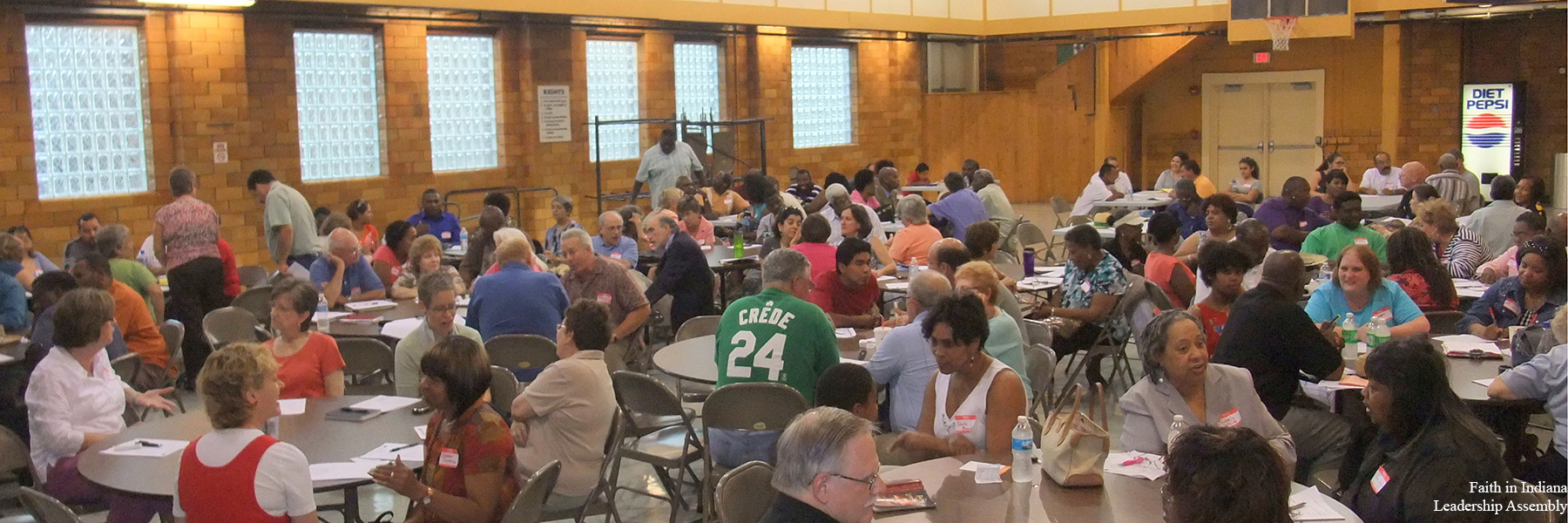
Watching organizations up close allows for a view of the different ways in which a community is built. Some groups help bond people who are already alike, some bridge folks who'd otherwise never mix, and others do the slow, steady work of building trust and connection over time.
One thing this project has taught me is that the story we tell ourselves nationally—that we're hopelessly divided—isn't the whole story. Even when people feel pulled apart by national politics, I see the same thing repeating locally: people still trust their neighbors, their local institutions, and the folks they run into at the farmers market or the church potluck. That trust is the social fabric researchers talk about— the informal, often invisible web of relationships that makes a community more than just people who happen to live near one another—and it's worth protecting. I will continue this work for another year, and honestly, I can't wait to see what information it turns up next.


